By: Daniel Linder
January 9, 2026
A home’s roof plays a central role in protecting the structure, maintaining indoor comfort, and preserving long-term property value. It shields against weather exposure, manages moisture, and contributes to energy efficiency throughout the year. When roofing systems are properly designed and maintained, they provide dependable performance for decades. When they fail, however, the consequences often extend far beyond surface damage, leading to interior deterioration, insulation issues, and costly structural repairs.
Homeowners often focus on visible materials when considering roofing projects, but long-lasting results are achieved through a much broader process. Evaluation, planning, material selection, installation methods, and maintenance strategies all work together to determine how well a roof performs over time. Local roofers bring a unique advantage to this process by combining technical expertise with firsthand knowledge of regional conditions, building practices, and climate-related challenges.
Reliable roofing outcomes are rarely the result of shortcuts or isolated decisions. Instead, they reflect a structured approach that emphasizes accuracy, durability, and accountability at every stage. Understanding how these elements come together helps homeowners make informed decisions and recognize the value of professional workmanship that prioritizes long-term performance rather than temporary solutions.
Assessing Roof Conditions Thoroughly
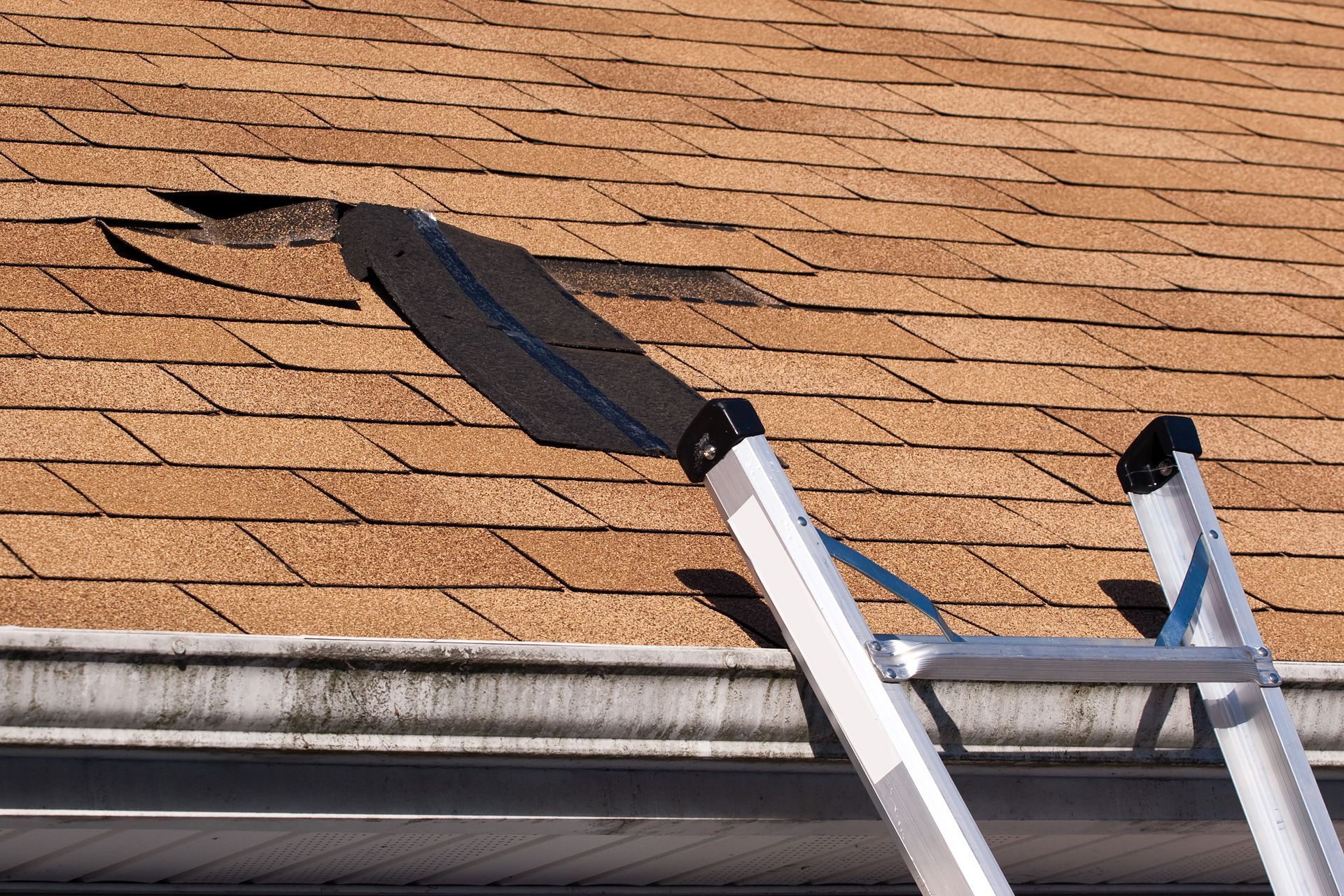
Every successful roofing project begins with a comprehensive assessment of the existing structure. This evaluation goes beyond identifying obvious damage and focuses on understanding how the roof is functioning as a system. Inspections typically examine shingle wear, flashing integrity, ventilation efficiency, moisture intrusion, and the condition of underlying decking. Each of these elements influences the roof’s ability to perform reliably over time.
Local professionals are particularly effective during this stage because they understand how environmental conditions affect roofing systems in their area. Climate patterns such as heavy snowfall, freeze-thaw cycles, intense sun exposure, or frequent storms create predictable stress points. Roofers familiar with these factors can recognize early signs of deterioration that might be overlooked by less experienced evaluators.
A thorough assessment also considers the roof’s age, repair history, and compatibility with existing materials. This broader perspective ensures that recommendations address root causes rather than surface symptoms. By accurately diagnosing current conditions, homeowners can avoid unnecessary replacements, prioritize critical repairs, and plan improvements that extend the roof’s lifespan.
Selecting Durable Roofing Materials Carefully
Material selection is one of the most influential factors in determining how long a roof will last. Different roofing products vary widely in durability, weather resistance, maintenance needs, and cost. Choosing the right materials requires balancing immediate budget considerations with long-term performance expectations. Homeowners who focus only on initial pricing may overlook how material quality affects repair frequency, energy efficiency, and overall lifespan.
According to This Old House, traditional asphalt roofs with three-tab shingles generally last between 15 and 20 years, while architectural asphalt shingles can offer a longer lifespan of roughly 30 to 50 years. This comparison illustrates how material choice directly affects longevity and overall value. Roofers who explain these distinctions help homeowners understand how upfront decisions influence future maintenance and replacement timelines. Clear guidance allows property owners to align material selection with long-term ownership plans rather than short-term savings.
In addition to shingles, long-term performance depends on supporting components such as underlayment, flashing, sealants, and ventilation systems. Each of these elements plays a specific role in managing moisture, airflow, and temperature regulation. Inferior materials in any layer can compromise the effectiveness of the entire system. High-quality materials across all layers work together to prevent moisture infiltration, reduce heat buildup, and protect structural elements.
When materials are selected as part of a complete system rather than in isolation, the roof is better equipped to withstand environmental stress, aging, and seasonal fluctuations. This system-based approach contributes to consistent performance and fewer long-term complications.
Applying Skilled Installation Techniques Consistently
Even the most durable materials cannot perform effectively without proper installation. Precision during installation ensures that roofing systems manage water runoff correctly, resist wind uplift, and maintain structural integrity over time. Skilled workmanship involves accurate measurements, secure fastening, and careful attention to vulnerable transition points. Each step of the installation process must be executed with consistency to ensure that individual components function together as a unified system.
Installation techniques also influence how well a roof adapts to natural movement caused by temperature fluctuations and structural settling. Proper spacing, fastening patterns, and alignment allow materials to expand and contract without cracking or loosening. When these technical considerations are addressed during installation, the roof is better equipped to maintain performance through seasonal changes and extreme weather events.
Consistency in installation practices is essential for dependable results. Experienced professionals follow established methods that reduce variability and minimize the risk of errors. Roofers who adhere to manufacturer specifications help preserve warranties and ensure that materials perform as intended under real-world conditions. These specifications are developed through testing and research, making adherence a critical component of long-term durability.
Attention to detail is especially critical around valleys, roof edges, chimneys, and penetrations where leaks are most likely to occur. Proper sealing and alignment in these areas protect the interior structure from moisture damage. Over time, consistent installation techniques contribute to fewer repairs, lower maintenance costs, and greater homeowner confidence in the roof’s ability to perform reliably.
Adhering to Local Codes and Standards Reliably
Building codes and safety standards are designed to protect homeowners and ensure structural reliability. Compliance with these regulations is a key component of long-lasting roofing performance. Local codes often address load capacity, fire resistance, ventilation requirements, and weather preparedness, reflecting region-specific risks. These standards are developed to ensure that roofing systems can safely withstand environmental pressures while maintaining structural integrity over time.
Professionals with local experience understand permitting requirements and inspection processes, helping projects move forward efficiently. Roofers who remain current with evolving standards reduce the risk of compliance issues that can delay completion or affect insurance coverage. Proper documentation and code adherence also support resale value, as noncompliant work can create complications during property transactions. Buyers and insurers often require proof that roofing work was completed according to applicable regulations, making compliance a critical factor beyond initial installation.
Local codes also evolve as construction technology and safety research advance. Updated requirements may introduce improved ventilation practices, enhanced fastening systems, or revised material standards designed to address emerging risks. Staying aligned with these changes ensures that roofing systems are not only compliant at the time of installation but also remain aligned with modern performance expectations. This forward-looking approach reduces the likelihood of premature upgrades or corrective work.
Beyond legal obligations, building standards represent best practices developed through decades of industry experience. By following these guidelines, roofing projects benefit from proven methods that enhance safety, durability, and long-term performance.
Supporting Ongoing Maintenance and Repairs Proactively
A roof’s lifespan is influenced not only by its installation but also by how it is maintained over time. Routine inspections, debris removal, and timely repairs address minor issues before they develop into significant problems. Proactive maintenance helps preserve performance and reduces the likelihood of unexpected failures.
Seasonal maintenance strategies often reflect regional weather patterns. Clearing leaves, checking flashing, and inspecting for storm-related damage help ensure consistent performance throughout the year. Roofers who emphasize preventive care provide homeowners with practical guidance that supports long-term durability.
Establishing an ongoing relationship with a reliable local provider further enhances maintenance effectiveness. Familiarity with a roof’s history allows for more accurate diagnostics and tailored recommendations. Over time, proactive care supports structural integrity, improves cost efficiency, and extends the functional life of the roofing system. Call B&C Siding Company LLC today to schedule your roofing installation or repair service.